
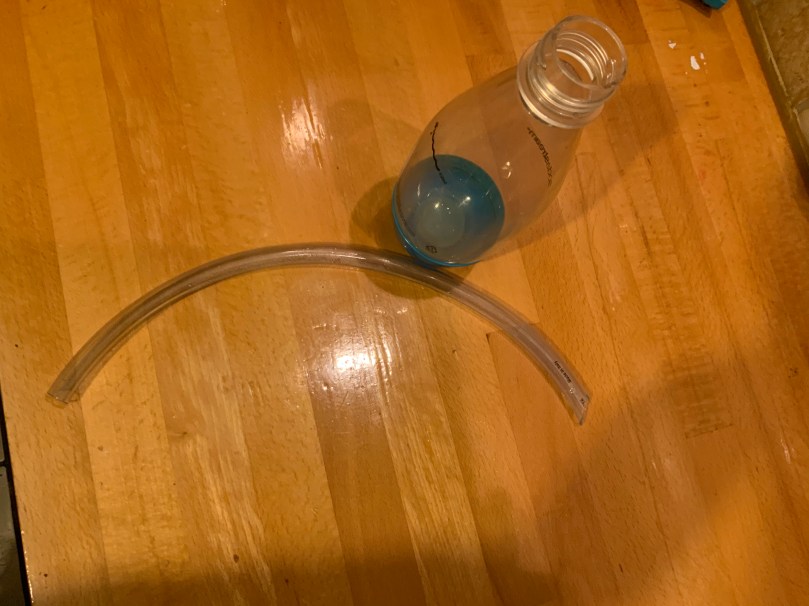
The phonation tube which we have used with our students uses the same dimensions as the lax vox(c); a device, named and advocated by Marketta Sihvo, a Finnish Speech Therapist. It is not a branded product.
Simply it is a length (usually around 33cm long) of food grade silicone tubing, of 1cm diameter, widely available online and in hardware shops. A receptacle or bottle of water is the only other apparatus you need. None of this is specialist equipment.
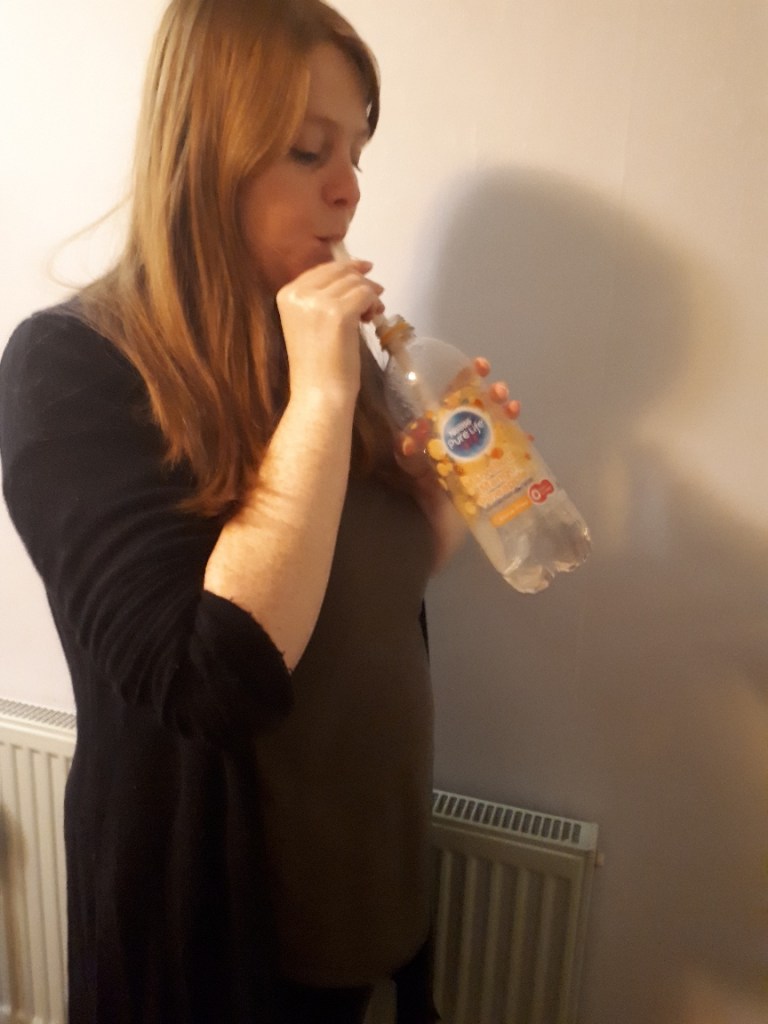
In scientific circles, using a phonation tube is a SOVTE (Semi-Occluded Vocal Tract Exercise), there are a number of these out there, ranging from those which require something in the manner of a straw of smaller or differing diameters, to those which simply ask for tongue or lip trills. Our research has led us to affirm that this is a particularly effective way of assisting the vocal cords in adduction, or closing more efficiently. It can be used to warm-up, to relax the cords after a lot of use, or to help direct the singer to greater awareness of breathing techniques, relaxation of the facial muscles and also maximisation of resonance. It can also be used to help smooth over bad breaks in the voice. It is a popular therapy with Speech Therapists in the UK on the NHS.
As singing teachers who are passionate about what we do and the health of the vocal apparatus, we are sharing what we have found out, both in academic research terms, and practically. The feedback you read from users is from genuine students who have used and found the device helpful to their singing.
If you have an experience to share please send it to us.
 Singing Freedom-Vocal Blog