
If, like me, you often open a bottle of red wine, pour and drink, you may know that a wine aerator really improves the taste of the wine. As you pour the wine through the specially designed “funnel” the wine draws air down through two long holes in the funnel and aerates it. I have carried out many blind tastings with friends and every time they can distinguish between the wine straight from the bottle and the aerated wine.
Now, of course, you could be patient, uncork the wine in good time and allow it to breath naturally. Same result, wine that tastes better after breathing.
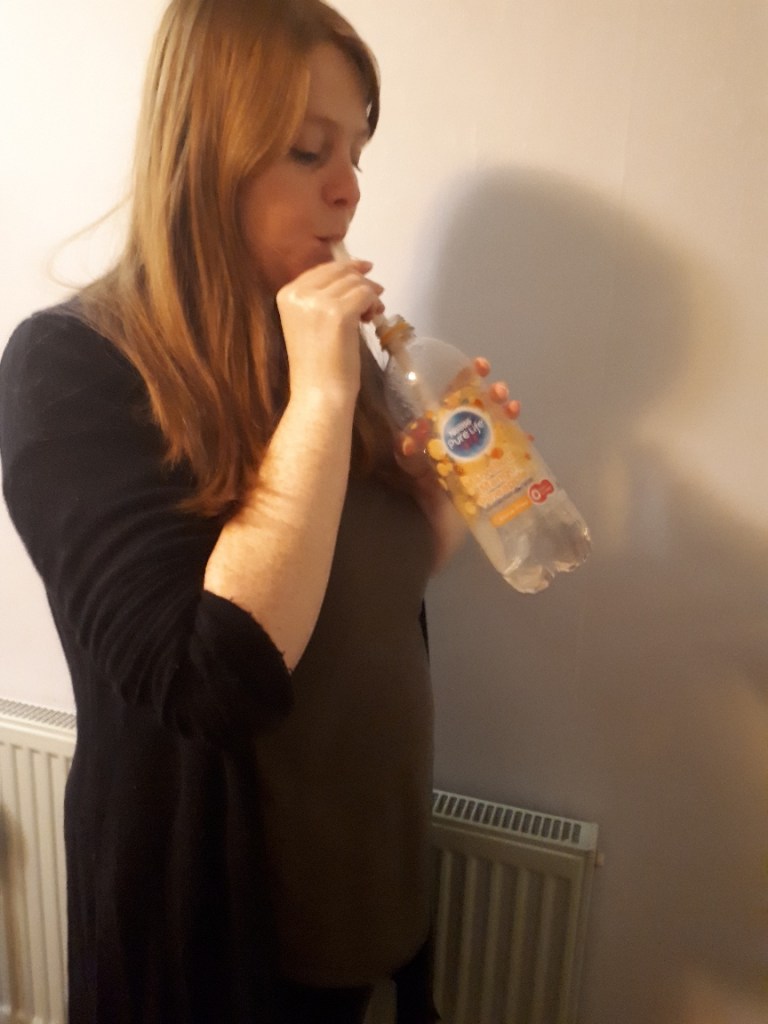
There is, however, no way to uncork the human voice. Even hours spent chattering to friends and family will not warm-up your singing voice. You have to start gently and give it time to warm-up. This is where the magic phonation tube apparatus comes in. Blowing bubbles through a piece of plastic tube into a bottle (with the right depth of water) seems to “smooth” the voice quality. Although you still need to warm up the singing voice, the process is helped EVERY TIME, by using the phonation tube technique. So simple but so effective and all you need to carry with you is the tube. A bottle and liquid can be found anywhere.
So next time I am travelling without my wine aerator, and need to enjoy a glass of red wine, perhaps I will remember to carry my phonation tubing with me, and see if blowing bubbles into the wine will speed up the aeration process!
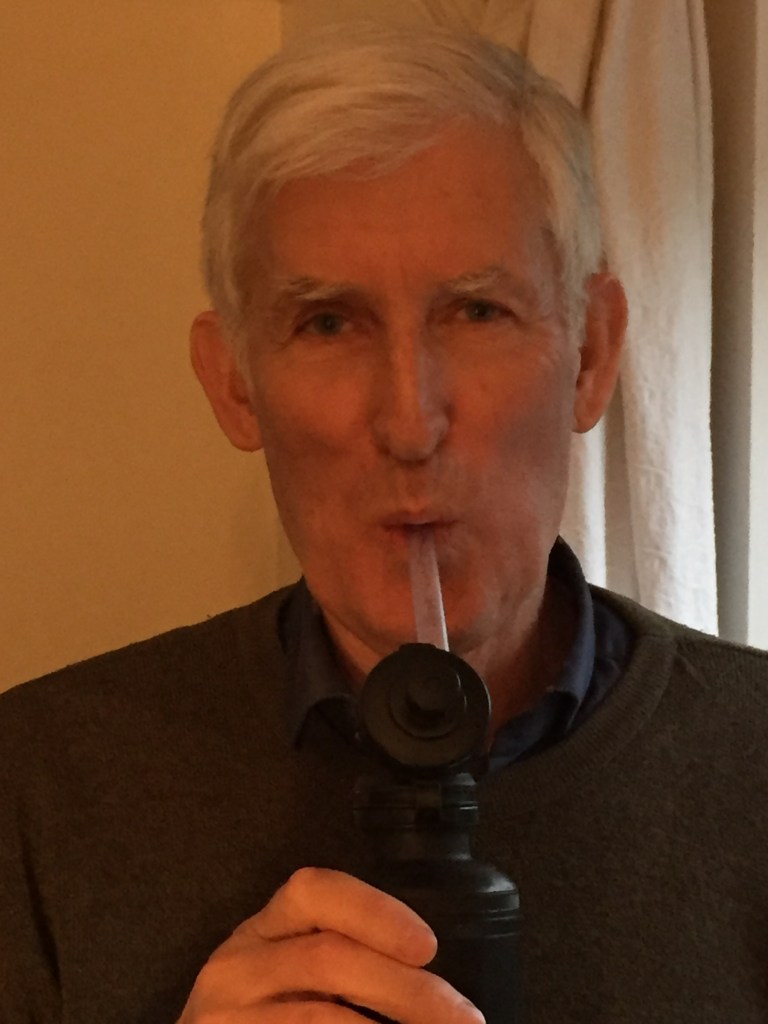
Seriously, a phonation tube helps every time with the warm-up process. What I need to test next is whether it will help the sound quality AFTER my singing voice is warmed up, and also (and I have no idea how to achieve this) whether the tube improves not just voice quality in the warm-up process but long-term voice quality. Probably need some help from an interested university in researching this one. In return I can demonstrate the benefits of a wine aerator!
Richard
 Additionally, I have a tendency to over-articulate consonants which does little for legato singing, and also makes singing more tiring. However, using the tube helps me to correct this because my adjusted throat and mouth position favours vowel sound delivery, with my lips doing the minimum required to form the obstructive consonants. So it helps me sing a smoother line.
 Singing Freedom-Vocal Blog